Japan
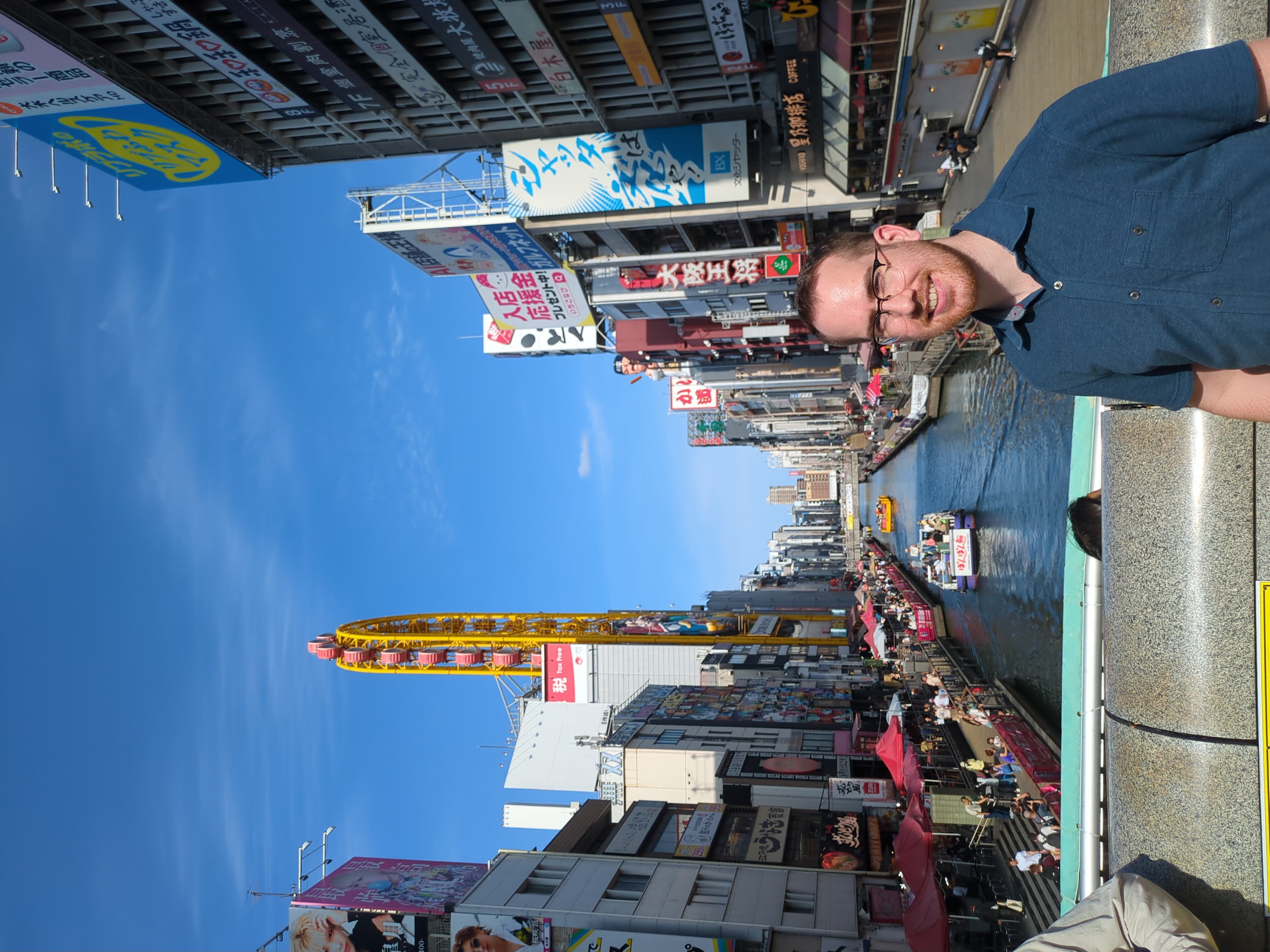
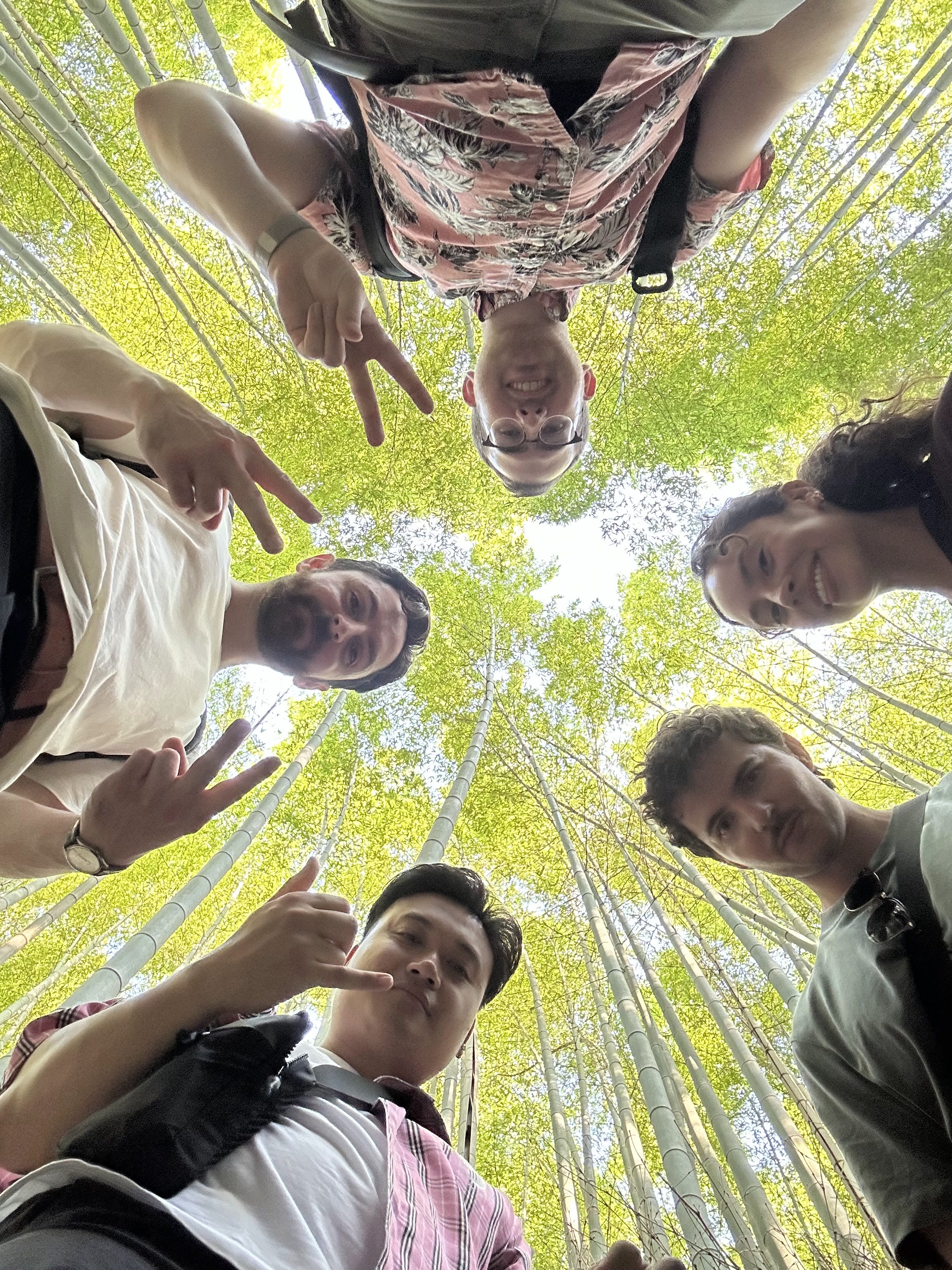
I took a two-week trip to Japan, mostly around Tokyo, Kyoto, Uji, Nara, and Osaka. I arrived expecting a quirky, futuristic vacation destination. Instead, I found myself thinking about whether Japan is a blueprint for a resilient civilization: one that optimizes for stability, trust, quality, and long-term thinking more than raw growth.
You can see the full gallery here.
This is not a travel guide. I did not photograph everything, partly because some places were not appropriate to photograph and partly because a camera can make you miss the thing you came to see. Tourism has clearly damaged parts of Japan, and I have to acknowledge that I was part of that problem even though I tried my best to be conscientious.
If you visit, learn a little Japanese. Even a few phrases help: arigatou gozaimasu for thank you, sumimasen for excuse me, mizu for water, and onegaishimasu for please. Many people will go 100 extra miles for you. You can meet them in a small way by learning a few words.
History and Language
Japan’s native religion is Shinto. Over centuries, Chinese writing, Buddhism, and Confucian ideas entered Japan through cultural exchange with the Asian mainland. Hiragana and katakana eventually developed from Chinese characters, and modern Japanese now combines native grammar, Chinese-derived kanji, and Western loanwords typically written in katakana.
I am in the process of taking Chinese classes, and I was pleased to discover that knowing some Chinese occasionally helps when reading signs. Many kanji originated from Chinese characters, so you sometimes get a faint hint of meaning. Kanji make up about 41% of written Japanese, and about 95% of kanji usage comes from the 1,000 most common characters. As an aspiring polyglot, that makes me excited that my progress in Chinese may pay off as an even longer-term investment toward Japanese one day. That being said, the languages are fundamentally different. Japanese uses subject-object-verb grammar, has an honorifics system, and sounds nothing like Mandarin.
Shinto and Buddhism remain culturally important, but as an outsider I often felt I was seeing their cultural descendants more than explicit theological systems. Many Japanese participate through ritual, tradition, festivals, funerals, shrines, temples, and community without necessarily describing themselves as religious in the way Americans might expect.
Christianity accounts for only about 1% of Japan’s population. Portuguese traders helped open the first channel in the sixteenth century (Sengoku period), but Christianity itself was introduced by a Jesuit missionary. Nagasaki became the center of Japanese Catholicism before the government banned the religion and drove many believers underground for centuries. The American atomic bombing later devastated Japan’s then-largest Catholic community. That was catastrophic for local Christians, but it does not explain Christianity’s low national share; the deeper cause is a much longer history of suppression and limited adoption.
I could not shake the feeling that Zen aesthetics influenced many aspects of Japanese culture: precision, simplicity, restraint, attention to detail, and intentionality. Historians would probably say the causes are more complex, and they would be right. But that was my personal impression.
Tea Time
The magnum opus of the trip was a tea tasting in Tokyo, though it had surprisingly little to do with the tea itself.
We had seen tea production in Uji, which is famous for green tea. That was wonderful. But the Tokyo tasting was something else entirely. Their service was so precise and attentive that it became almost hypnotic.
The room was nearly silent except for soft Bossa Nova playing in the background. The lights were dimmed to a comfortable level. When we sat down, a freshly steamed towel was placed in front of us in a tight, neat roll. The tea masters were dressed in clean white lab coats, like scientists running a lab experiment where the subject was my nervous system.
Before brewing each tea, the tea master would present the leaves, whisper the name, and gesture for us to smell the aroma. Then he would prepare it with a different method depending on the tea. In some cases, he used a shockingly large amount of leaves to produce only a few drops of liquid. We watched him extract those drops by moving the pot with a precise, repeated motion, coaxing the water out as if he were operating a tiny hydraulic machine.
Every cup, box, pair of chopsticks, and instrument was placed at exact right angles with even spacing. I could not observe a single careless calorie burned. We were never asked to hand him anything. He would reach across the table and place things directly in front of us, perfectly aligned. If a tiny gap formed between chopsticks, he corrected it.
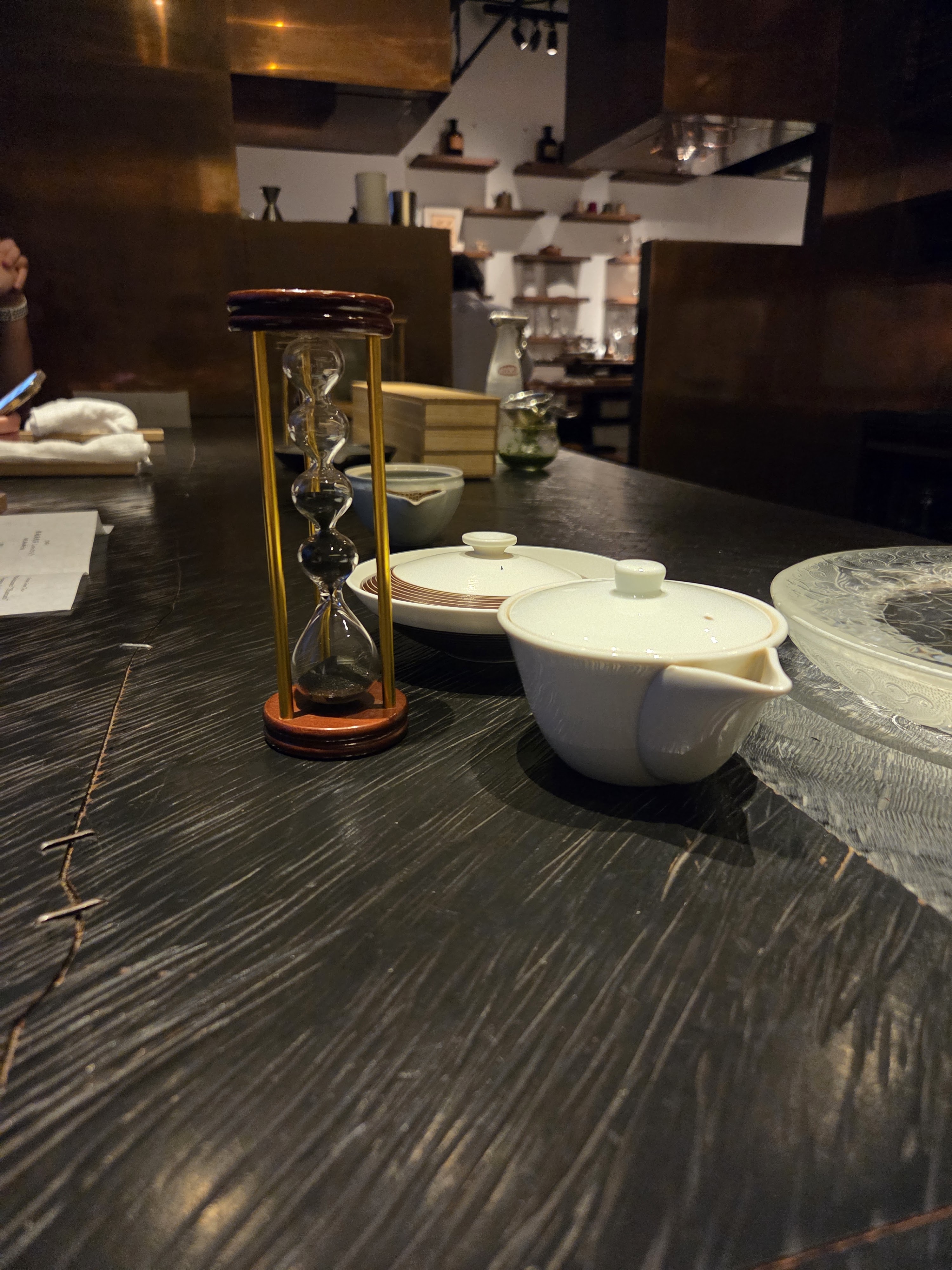
I never moved a muscle except to drink tea or eat a palate cleanser.
The tea tasted wonderful, of course, but the service was what shattered me. I hesitate to call it love, because as soon as we left, we were probably out of their mind. But it felt adjacent to love. Maybe a caring obsession.
That, more than the flavor of the tea, became my working theory of Japan: care expressed through competence. It was not loud. It was not sentimental. It was not the American service posture of forced cheerfulness. It was something quieter and more demanding. It felt like a miniature form of enlightenment.
Jazz
Japan has one of the most vibrant jazz cultures I have ever encountered. Jazz was everywhere, and I was thrilled. Most of the time it leaned toward Bossa Nova; I specifically remember hearing a lot of Antonio Carlos Jobim.
The most interesting expression of this is the jazz kissaten, or jazz listening cafe. These became especially important after World War II, when imported records and high-end audio equipment were expensive. Instead of treating music as background noise, the point was to sit quietly and listen. Many of these cafes are built around excellent sound systems, deep collections of vinyls, and a kind of reverent attention that feels rare in the United States.
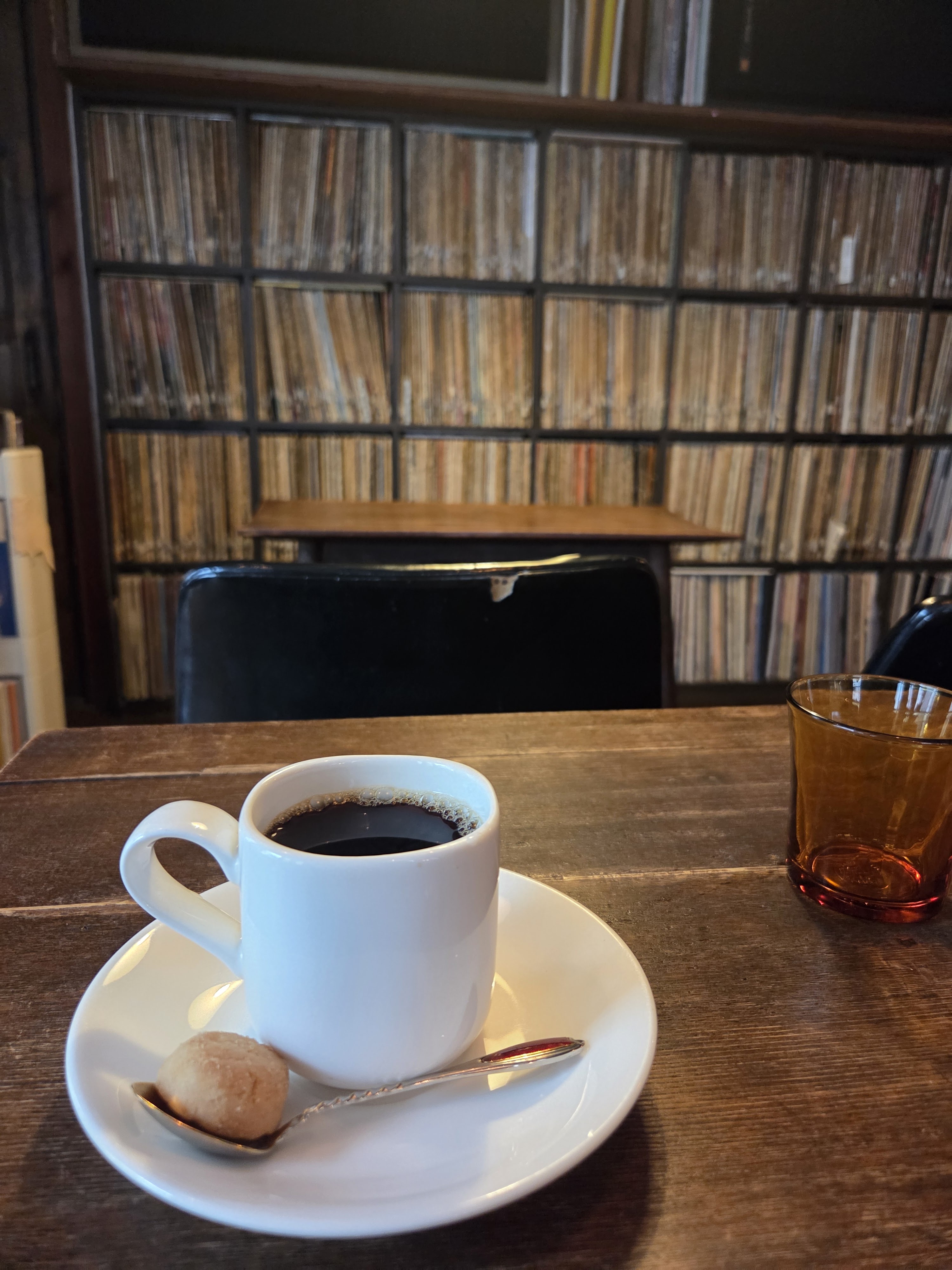
I wish America had these. We have coffee shops where the music is too loud to ignore but too unimportant to actually listen to. Japan appears to have invented a place where the music is the point.
Economy
The Japanese economy is both amazing and slightly tragic.
Japan has a strong emphasis on stability and long-term endurance. This creates obvious benefits: low crime, high trust, durable institutions, and a society that feels like it can absorb shocks. It also comes with trade-offs. Risk appetite appears lower than in the United States, entrepreneurship seems less culturally romanticized, and many systems favor continuity over rapid change.
Interest rates are one example. Mortgages can be astonishingly cheap compared to the United States, often around 1-2% depending on the borrower and product. Japan even had a period of negative interest rates. For foreigners, accessing that capital is difficult. Banks care less about a credit score in the American sense and more about local embeddedness: residence, employment, bank history, tax filings, company operations, relationships, and demonstrated commitment.
This is part of what makes the Japanese carry trade famous. Investors borrow cheaply in yen and deploy capital elsewhere where returns may be higher. It sounds simple until currency moves against you, and then the “free money” starts looking less free.
Employment culture was also fascinating. I was told many Japanese workers still have far fewer employers across their lifetime than Americans do. The expectation has historically been to join a company and climb within it. Quitting can carry enough social friction that resignation services exist, where someone else helps communicate your resignation for you.
One impression I repeatedly had was the depth of specialization. Whether I was watching a tea master, a train employee, a pharmacist, or an old noodle cook, many people appeared to spend years refining a narrow craft. In America, a highly competent person often asks, “How do I scale this?” In Japan, I felt like the question was sometimes, “How do I perfect this?”
Lower wages appear to be offset somewhat by affordable living costs, especially outside the most expensive districts. Japan does not feel poor. It feels like a place where many ordinary expenses are contained, public infrastructure is reliable, and quality is distributed very evenly.
We saw almost no homeless people. I am sure homelessness exists there, but it seems like their society makes it difficult to reach that level of poverty, or at least difficult for it to become as publicly visible and entrenched as it is in many American cities.
Japan’s aging population also changes the conversation around immigration and foreign workers. The country is still not a casual immigration free-for-all, but demographic pressure seems to be creating more openness than existed in the past.
Japan is also far more globally deployed than its domestic culture might suggest. It has about 33.6 trillion yen (USD 208 billion) in outward foreign direct investment, roughly 5% of GDP, putting it second in the world behind only the United States and ahead of China. That matters for immigration and employment too: if Japanese companies want to keep participating in international markets, they need more people who can operate in decent English, the default business language of global trade.
Cost of Living
Compared to expensive American cities, Japan felt remarkably affordable. Tourist traps exist and will absolutely find you, but once you step outside the most obvious areas, food, transit, clothing, and even housing can feel surprisingly reasonable.
Tipping is unnecessary and often creates confusion. We consistently ate out at a standard of quality that felt about two notches above the average American restaurant, with superb service. You also do not wait for a waiter to keep checking on you every few minutes. If you need something, you call out sumimasen, and they arrive soon after.
Some representative prices from the trip:
- A typical restaurant meal: 1,780 yen (USD 11) per person
- A filling bowl of udon: 170 yen (USD 1.05)
- A loaf of bread: 200 yen (USD 1.24)
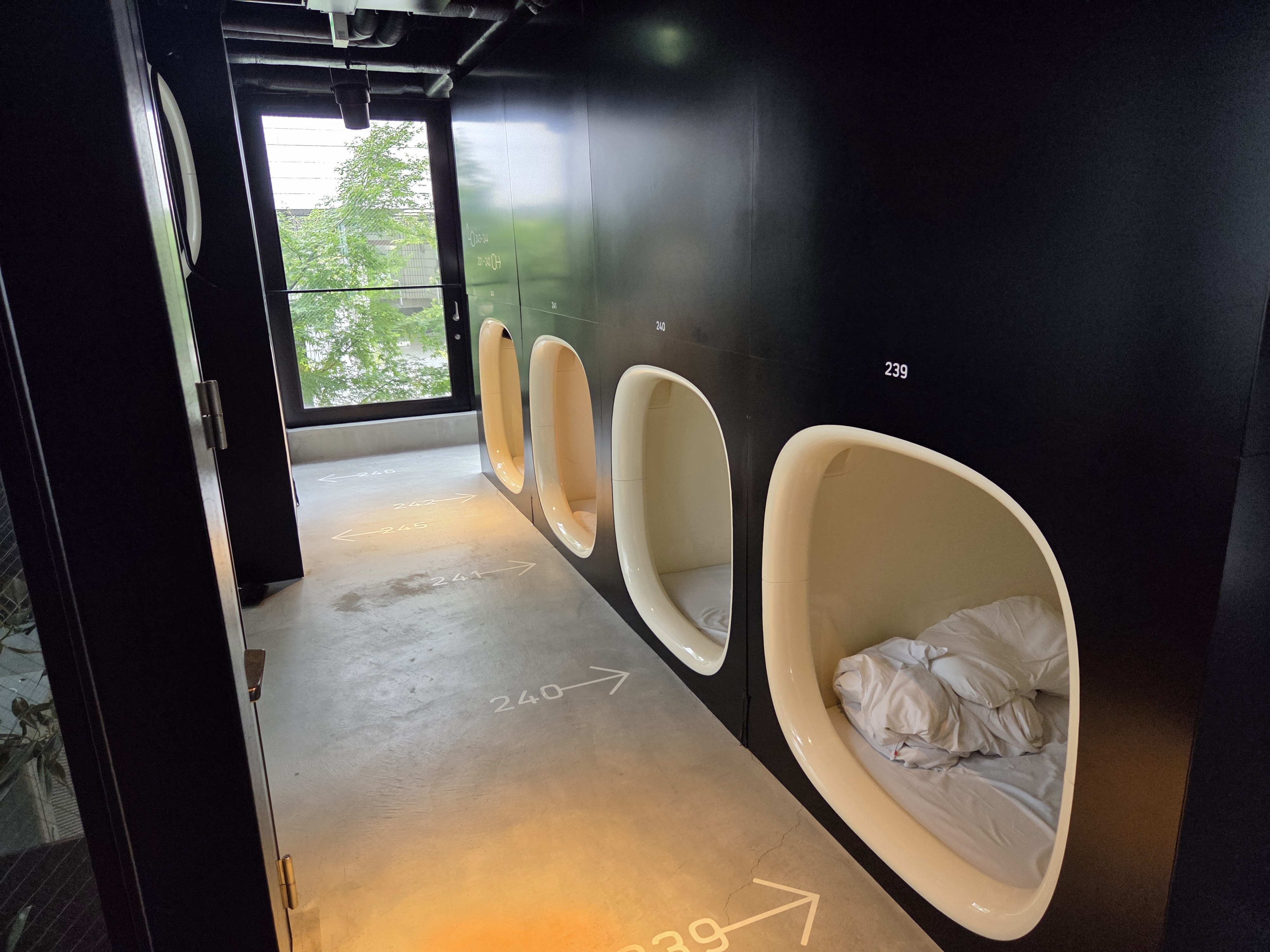
- A pod hotel: 4,850 yen (USD 30) per night
- A short-sleeved shirt: 1,290 yen (USD 7.98)
- A pair of jeans: 4,990 yen (USD 30.88)
- Petrol: 177 yen per liter (USD 4.15 per gallon)
The cheapest meal we had was probably the udon. The shop fit maybe eight people and had no seats. Everyone stood to eat. There was only an old man with his cooking supplies, quietly turning out bowls of noodles. The room was silent except for the happy slurping of noodles and the motion of the man cooking. As with many small places, you pay cash as exactly as you can and leave.
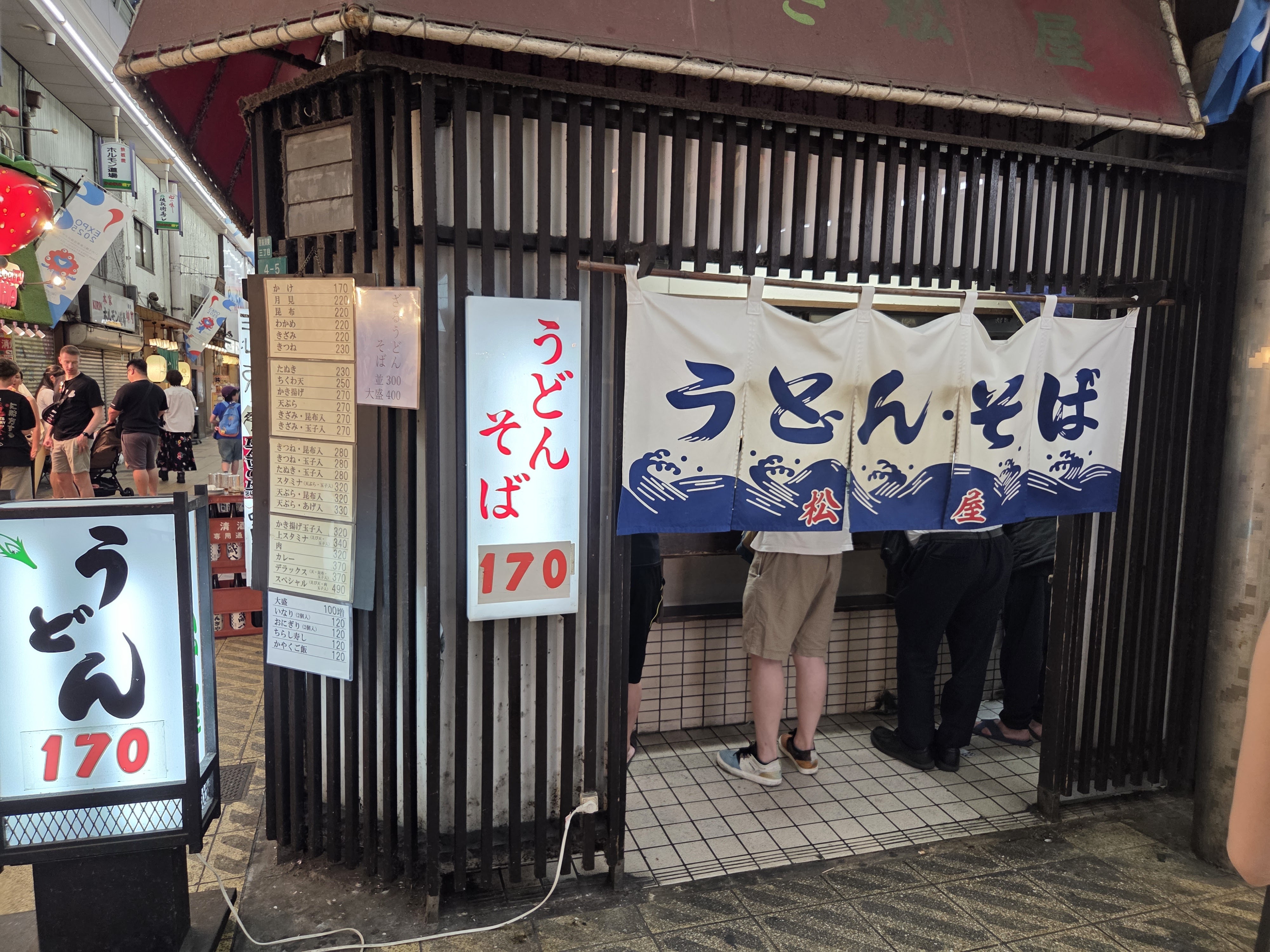
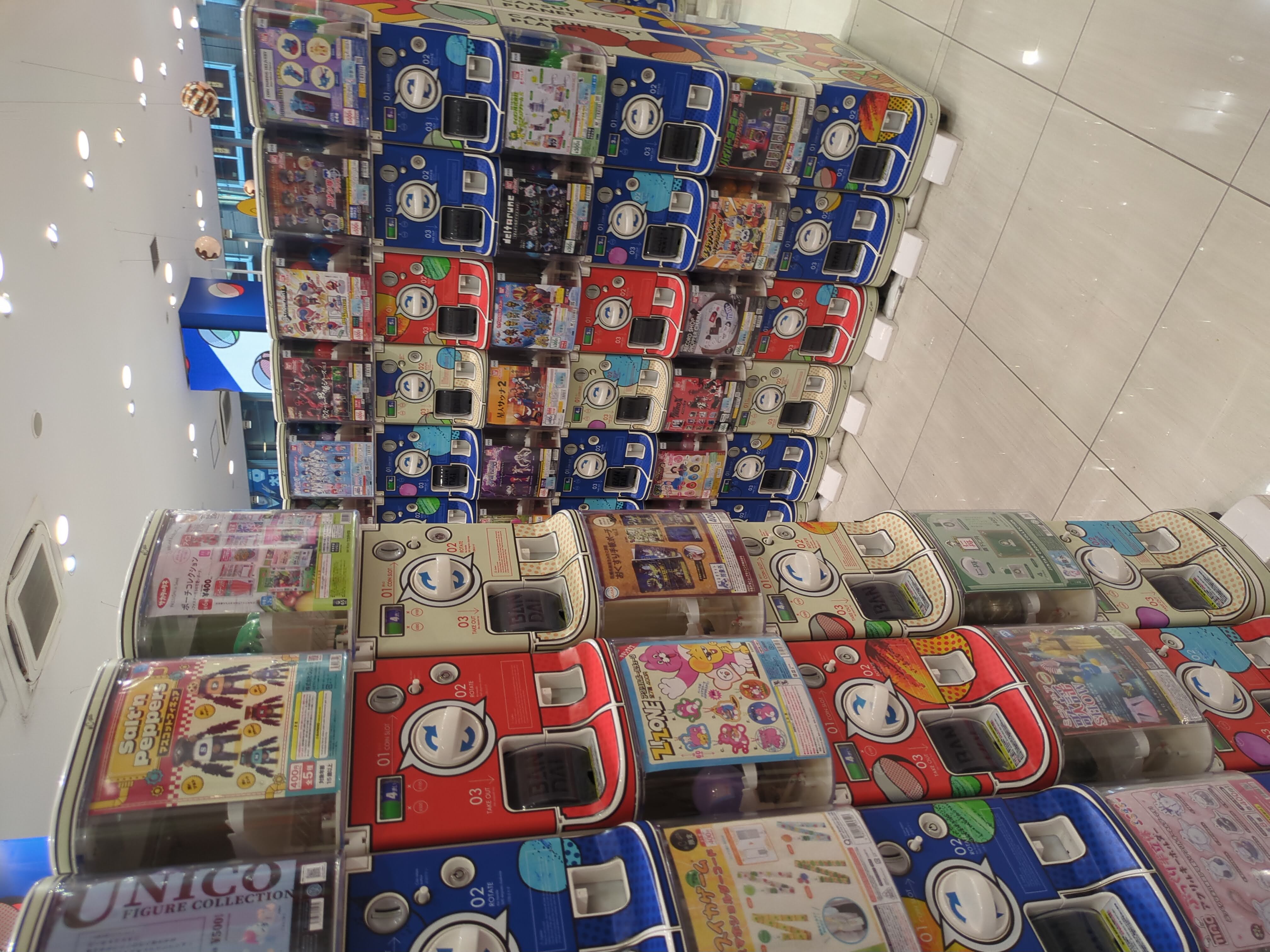
Coins are genuinely useful here. Vending machines are everywhere. You can load coins onto a Suica card, buy a gachapon, play arcade games, or toss one into a shrine before making a wish. It is strange as an American to hold a 100 yen (USD 0.62) coin and realize it actually matters.
Convenience stores, or konbini, are deeply integrated into daily life. 7-Eleven, Lawson, and FamilyMart are not sad gas station food portals like in the United States. They sell surprisingly decent meals, snacks, toiletries, tickets, and all kinds of emergency items. Convenience-store food is affordable enough that it narrows the gap with cooking at home, especially for single people.
7-Eleven is especially funny because it began as an American company, became tired and unremarkable in its home market, and then the Japanese side of the business turned the model into something extraordinary. Eventually, Japan’s Seven & i Holdings acquired control of the American parent company. Somehow Japan took our convenience store and gave it back to us with dignity.
In major cities, public transportation is so effective that many people can comfortably live without a car. That changes everything. If you remove car payments, fuel, insurance, maintenance, and parking from a household budget, the whole cost structure of life shifts.
Real Estate
Japan is an interesting case study for real estate because it does not behave exactly like the American market. Population decline changes the meaning of scarcity. In many areas, there is not an assumption that every building will appreciate forever just because time passed.
Foreigners can own Japanese property, and property ownership by itself does not automatically make you a Japanese tax resident. Financing is the difficult part. From what I gathered, a foreigner who wants Japanese bank financing needs to build a real local footprint: bank accounts, tax filings, operations, relationships, and time.
Condominiums and apartments are common, and in many cases the building is treated as a depreciating asset. This is partly because structures age, earthquake standards improve, and the unit may not give you direct ownership of the underlying land in the way an American house often does. Newer buildings are attractive not only because they look nicer, but because earthquake and tsunami resistance has improved over time. New builds are also highly sought after because they let you place new tenants at current market rent, which matters a lot in a country with strong tenant protections.
A 2LDK or 3LDK condominium – two or three bedrooms/rooms plus living, dining, and kitchen – with about 70 square meters (753 square feet) of space in Tokyo might run around 80 million yen (USD 495,000). Renting a similar place might be about 200,000 yen (USD 1,240) per month.
Japan does not have classic American-style rent control everywhere, but residential tenants can be difficult to remove, rent increases can be hard to force, and landlords generally cannot treat non-renewal as casually as they might in some US states. The market seems optimized more for stable occupancy and long-term ownership than aggressive rent growth.
For anyone thinking like an investor, that means caution. Rural “cheap” houses and suspiciously high yields may be cheap for a reason. Fukuoka and Osaka seemed more compelling to me than chasing abandoned countryside properties just because a YouTube thumbnail said they cost less than a used Honda.
Urban Design
Japan’s mixed zoning deserves praise. My understanding is that Japanese zoning tends to regulate nuisance levels more than rigid categories of use. Instead of forcing every activity into separate zones for residential, commercial, and office life, more things can coexist as long as they stay within the allowed impact level.
This is brilliant. It allows apartments, cafes, small shops, clinics, offices, and restaurants to live near each other naturally, while still preventing genuinely disruptive uses from invading quiet areas. Instead of forcing planners to guess the correct arrangement of daily life in advance, mixed zoning lets the free market decide where things belong most efficiently.
The result is a kind of everyday convenience that American suburbs often fail to produce. In much of the US, we separate everything and then wonder why everyone needs a car.
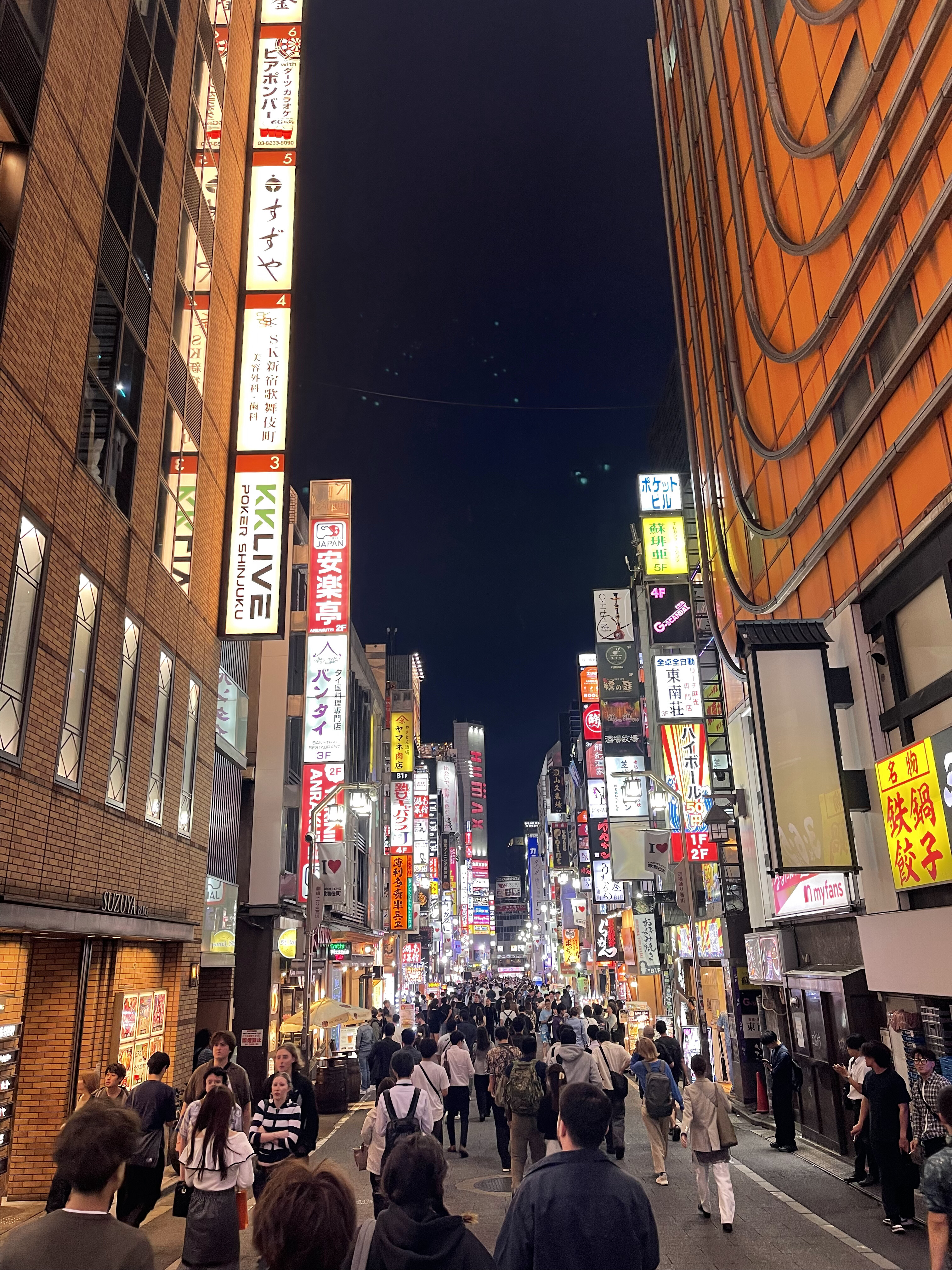
I also liked the Japanese addressing system, even though it can be confusing at first. In the United States, an address usually points you along a named street with numbers increasing in a predictable direction. In Japan, addresses are more like a grid of areas: prefecture, city, ward, district, block, and building. Streets often matter less than the block itself. It feels strange until you realize it is a very systematic way to describe location in dense cities.
Transportation
The train system is incredible. I knew this before arriving, but knowing and experiencing are different. Suica cards make local transit easy. The Shinkansen is fast, clean, and civilized. Coin lockers are everywhere, which means you can move through a city without dragging luggage behind you like a defeated airport goblin.
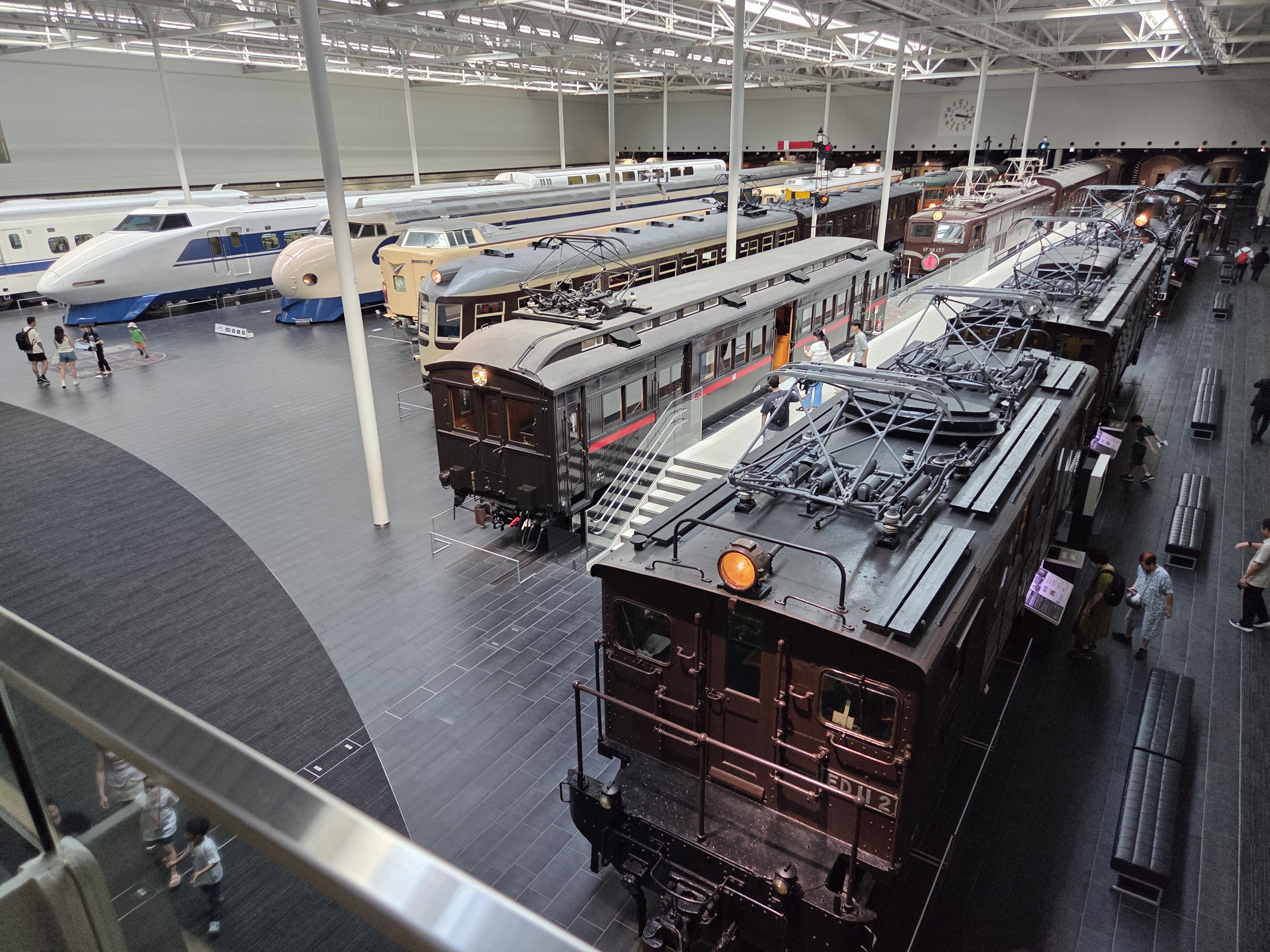
Trains are treated almost like libraries. People speak quietly, and phone calls are discouraged.
I also saw children riding trains on their own. That image says more about social trust than any policy paper ever could, but it also speaks to the independence, responsibility, intelligence, and self-confidence expected of Japanese children. A society where parents can put a child on a train alone is operating with assumptions Americans often no longer have.
Japan’s tactile paving network is the most extensive accessibility infrastructure I have ever seen. The raised yellow guidance paths for blind and low-vision pedestrians are everywhere: stations, sidewalks, crossings, platforms, and public buildings. Elevators, doors, and even bidet controls almost always had an accessible set of buttons. I did not see many visibly disabled people relative to the volume of pedestrian traffic, but the infrastructure was so pervasive that it changed my expectations for what public design can look like.
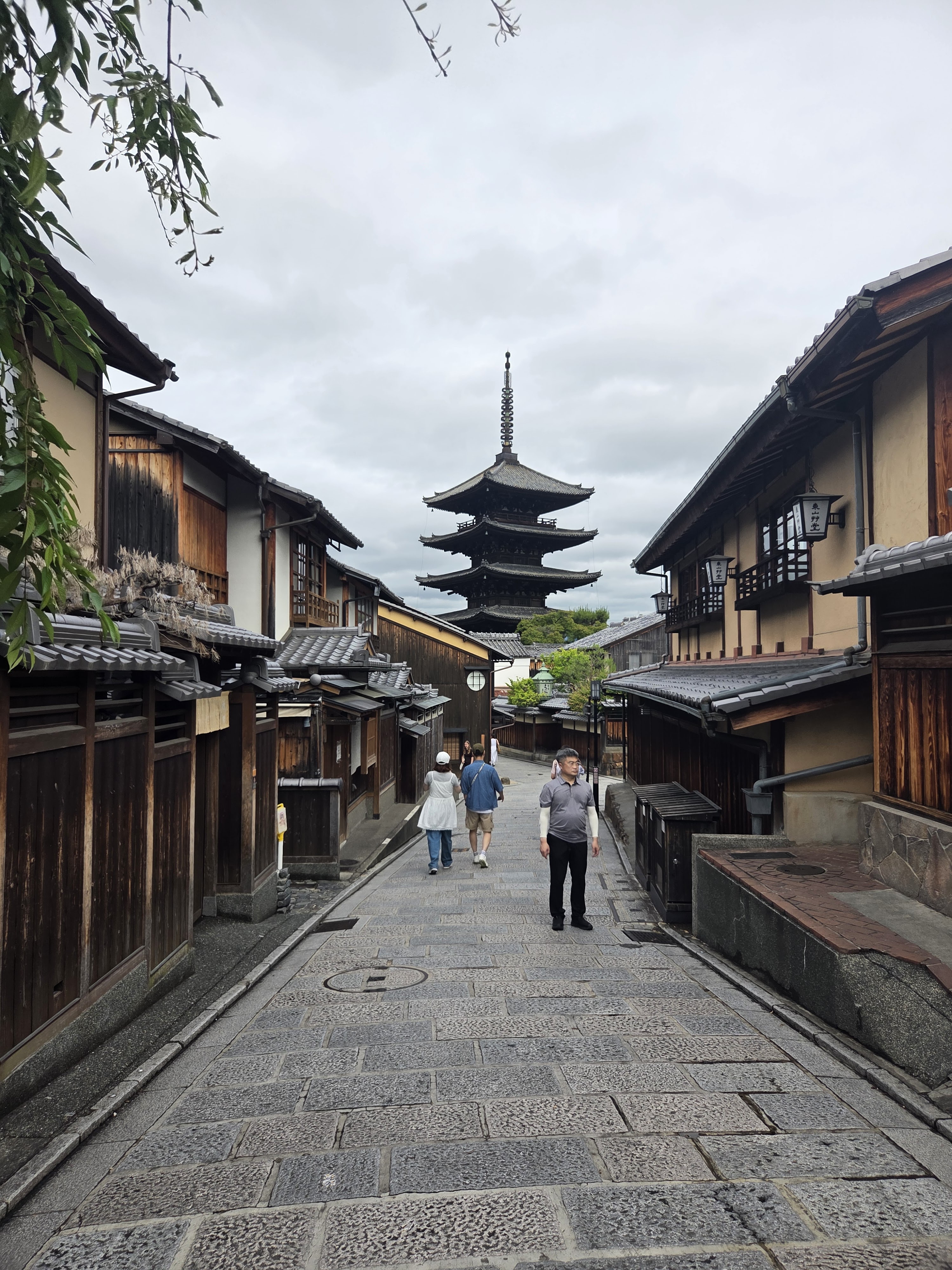
Kyoto at night deserves mention here too. People sat along the Kamo River, often couples spaced at oddly regular intervals, as if some invisible city planner had arranged them by ruler. Canals, narrow streets, small restaurants, and foot traffic created an atmosphere that felt public without being chaotic.
Social Life
Making friends in Japan seems more difficult than in the United States. Casual conversation with strangers appears far less common. Trains are quiet, small talk is limited, and public life is governed by a strong norm of not inconveniencing others.
That does not mean people are cold. It means the channels are different. If I were trying to build community in Japan, I would probably look at hobby clubs, language exchanges, or martial arts dojos. Church groups, a common answer in the United States, probably would not help much in a country where only about 1% of the population is Christian.
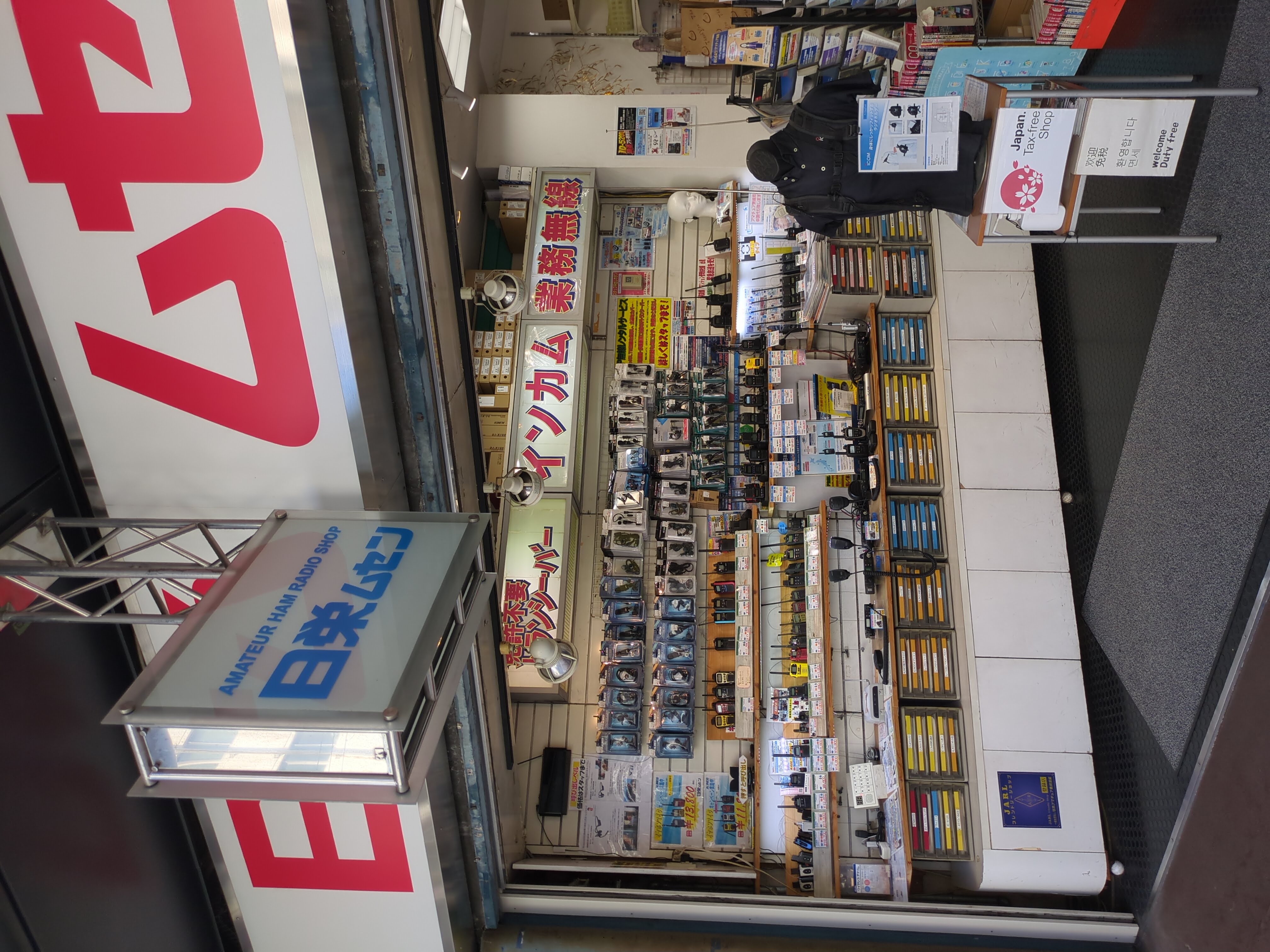
The hobby culture appears intense in the best way. Airsoft, cosplay, trading cards, audiophiles, anime, insect collecting, musical instruments, and countless niche interests all seem to have people who go deep. I was very surprised to find an entire storefront dedicated to ham radio. My impression was that many people pick a thing and refine it rather than casually dabbling across twenty things.
Love and Dating
A local told me formal confessions of love, or kokuhaku, remain common in dating. Rather than gradually drifting into a relationship, one person explicitly states romantic interest and asks to become a couple. I was told this can happen within the first few dates. Physical affection may progress more deliberately, and inviting someone to your apartment can carry stronger implications than Americans might assume.
I was also told group introductions, or gokon, are common. A friend typically organizes a dinner or drinks for an equal number of single men and women, often drawing from two existing friend groups. Everyone meets as a group, which lowers the pressure of a one-on-one blind date, and people who connect can arrange something separately afterward. More broadly, people may meet through friends, coworkers, clubs, hobbies, or other organized social settings.
Japan also has wakaresaseya, or breakup services, where agencies can be hired to help end a relationship. That sounds bizarre at first, but it fits into the broader theme of outsourcing socially difficult or emotionally uncomfortable interactions. It is obviously not something I would endorse, but it is fascinating that the market exists.
At the same time, Japan clearly has businesses built around loneliness: maid cafes, host and hostess clubs, rent-a-girlfriend services, love hotels, and other categories that may feel strange to Americans at first glance. But I do not think this is as foreign as it looks. America has its own softer versions: Hooters, bartenders who remember your name, Twitch streamers, and other businesses where the product is partly food, entertainment, or ambiance, but partly human attention.
I also think we underestimate how many lonely jobs exist in plain sight. Truck driving is one of the largest occupations in America, and yet how many truck drivers do you actually know? Many people spend long stretches of life unseen, unrooted, or socially starved. Whatever ethical qualms someone may have with these businesses, I suspect this market will grow in America and elsewhere because the demand is real. And honestly, is there anything inherently wrong with seeking connection? The troubling part is not that people want connection; it is that so many people have to buy a simulation of it.
Food
Japanese food is better than its American imitation, which sounds obvious but still deserves to be said. The range is enormous: takoyaki, yakitori, ramen, soba, udon, wagyu, Japanese BBQ, omakase, matcha desserts, convenience-store snacks, izakaya plates, and things I did not know how to identify but was happy to eat.
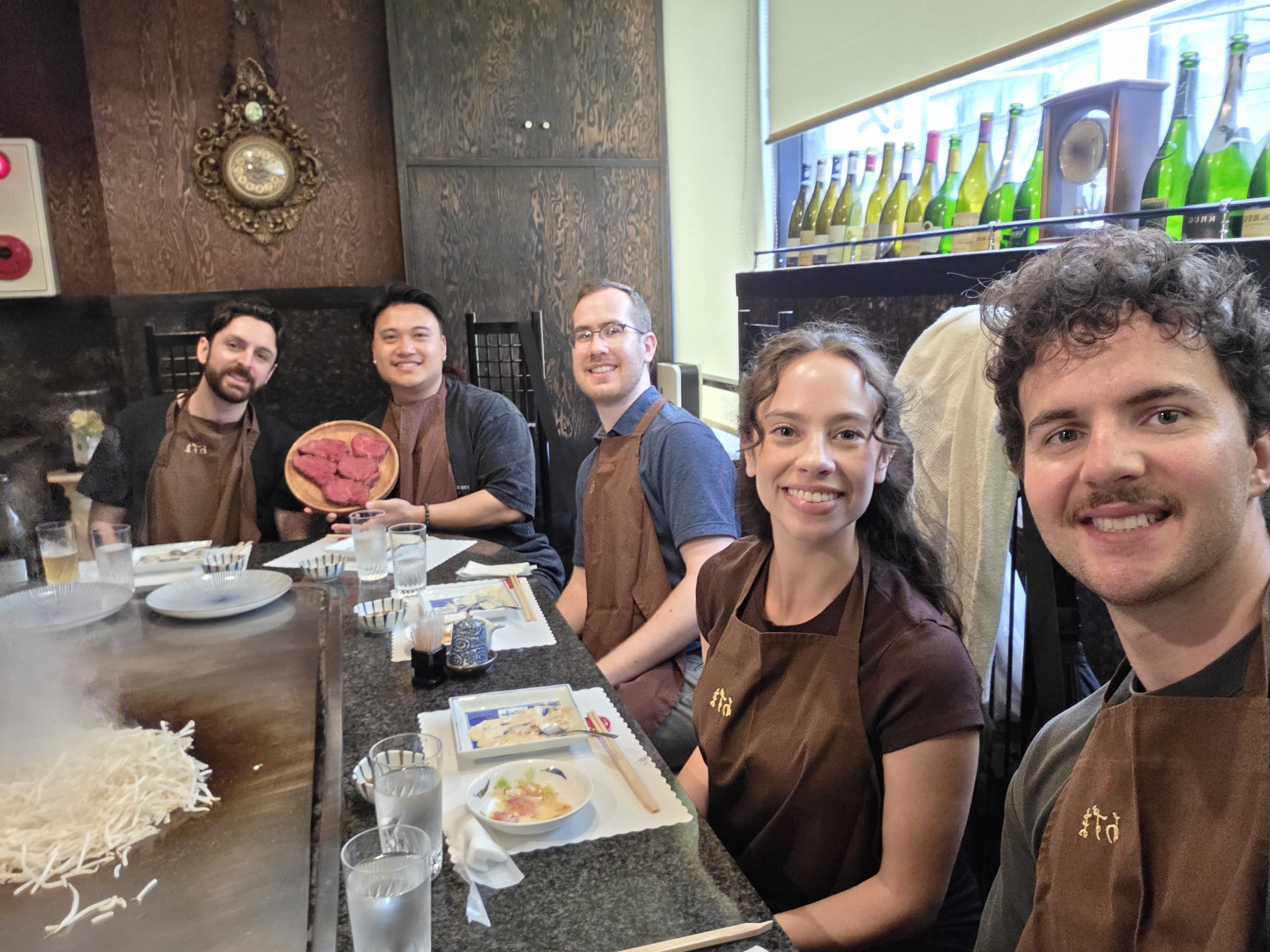
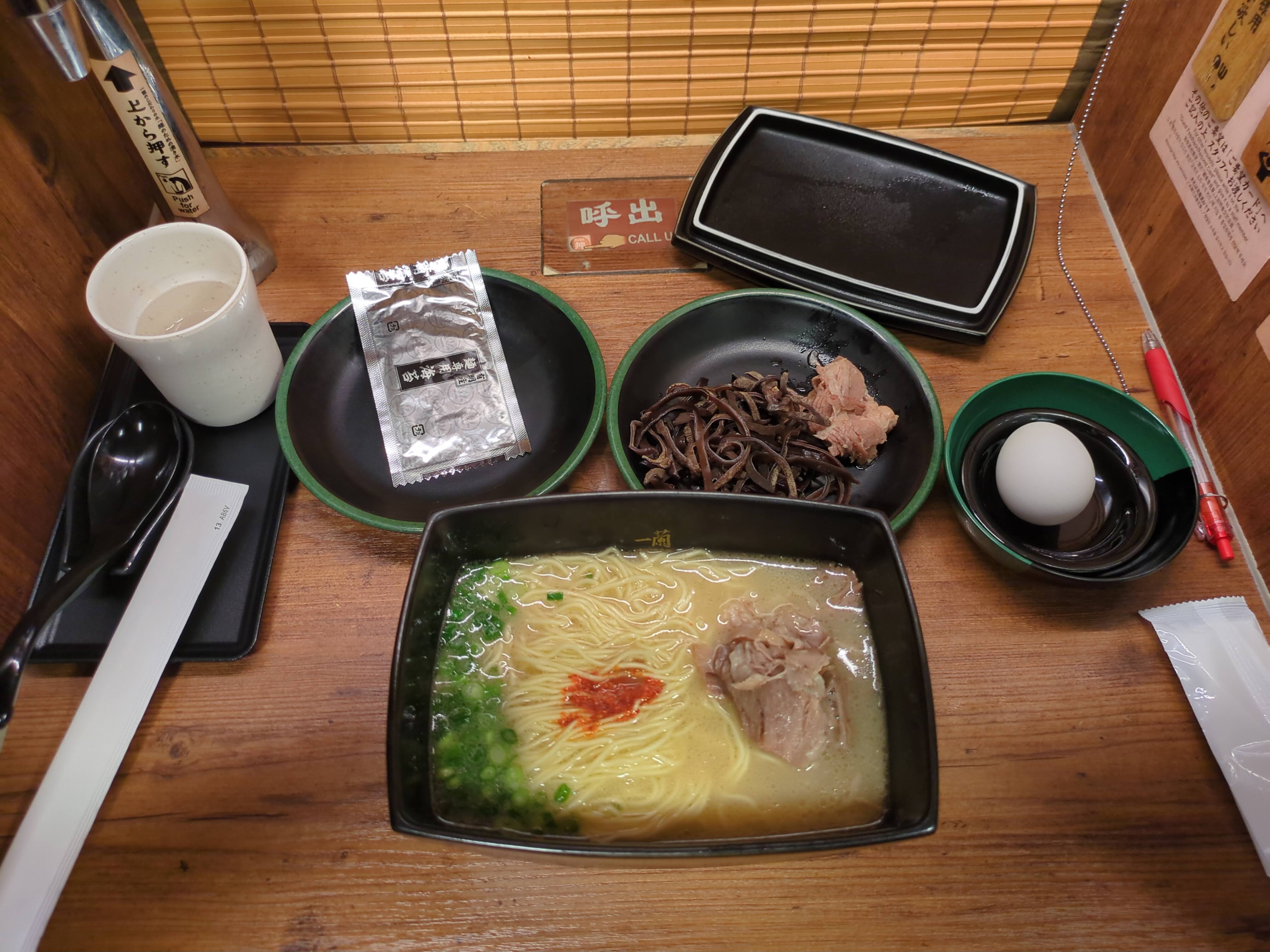
Ramen booths were fascinating. Some places are arranged so you can eat in a tiny cubby with minimal social interaction. A little door slides open, the food appears, and then the door closes again. In some cases, you use small tokens or cards with words on them to communicate what you want without having to say anything. It is an introvert’s dream: excellent noodles without performing a whole restaurant experience.
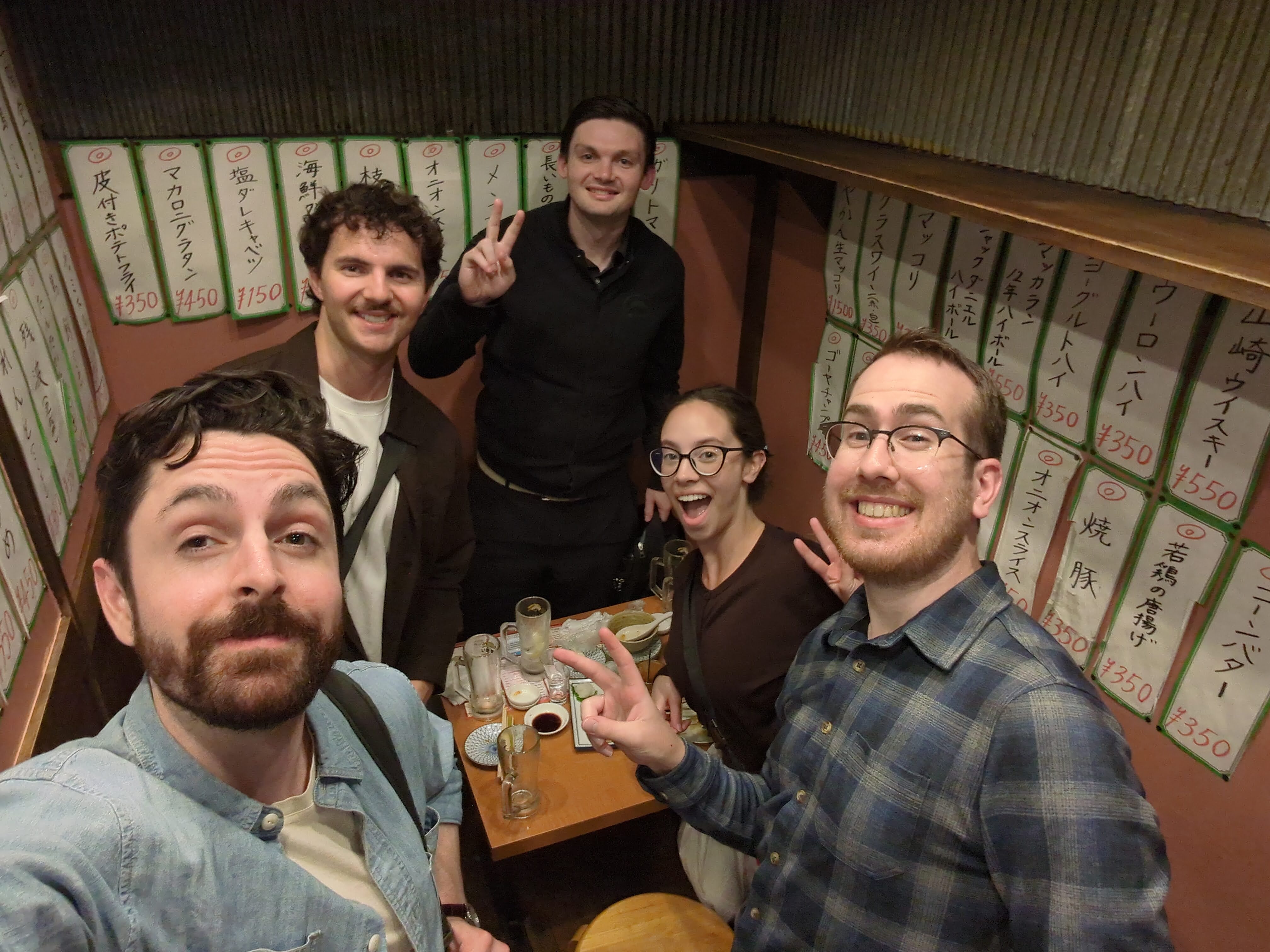
Izakayas felt designed for ordinary people. Outside tourist corridors, you can get small plates and drinks for very reasonable prices. At one cheap izakaya, my friends got beers for 450 yen (USD 2.78) apiece. They are social, casual, and often tied to after-work culture. I can easily imagine coworkers decompressing there with a boss in a way that blends hierarchy, alcohol, and food into one complicated social machine.
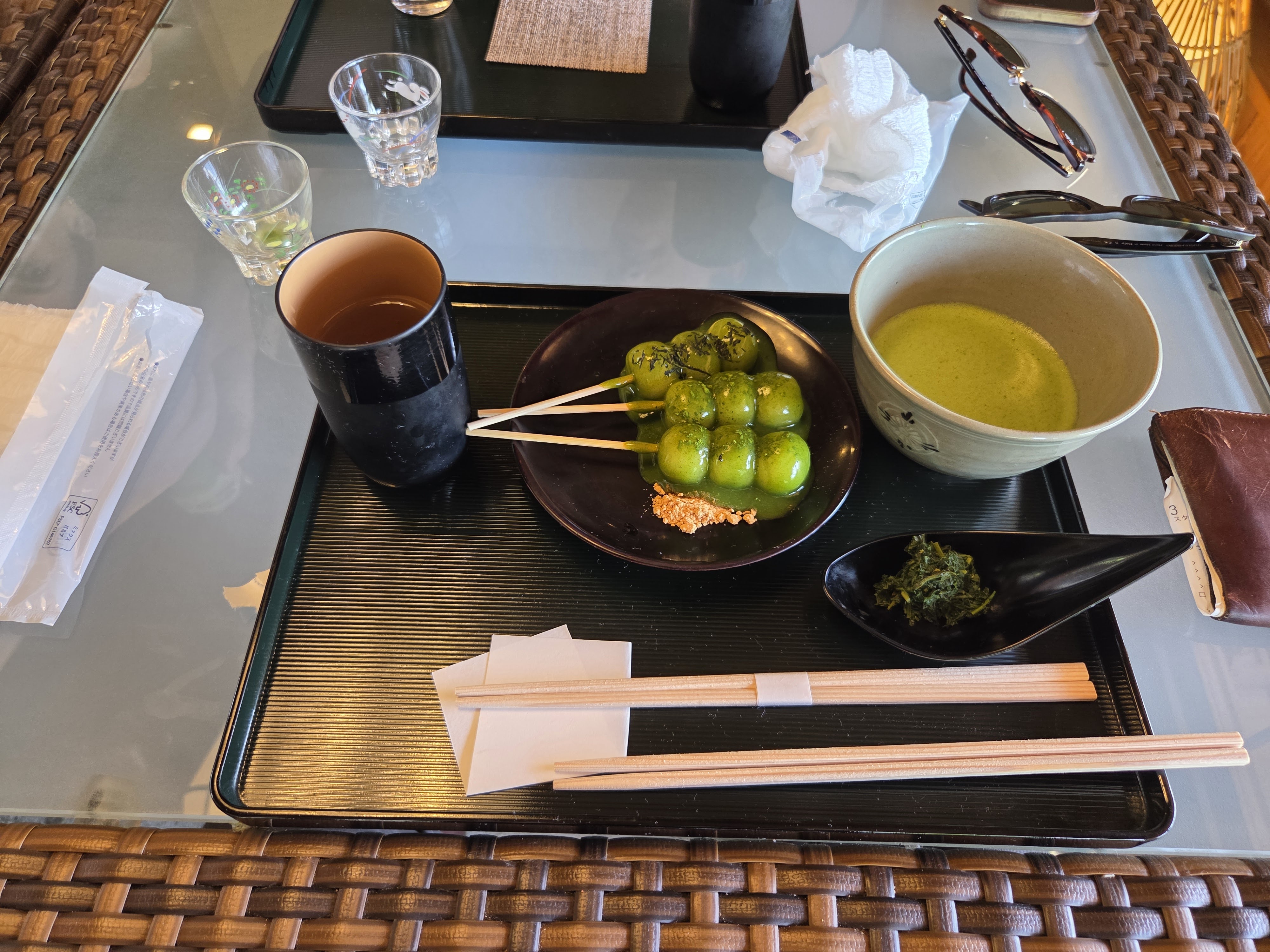
Matcha is everywhere, almost like Japan’s alternative to chocolate as the default dessert flavor. Uji especially leans into this. I also learned about hojicha lattes, made from roasted green tea.
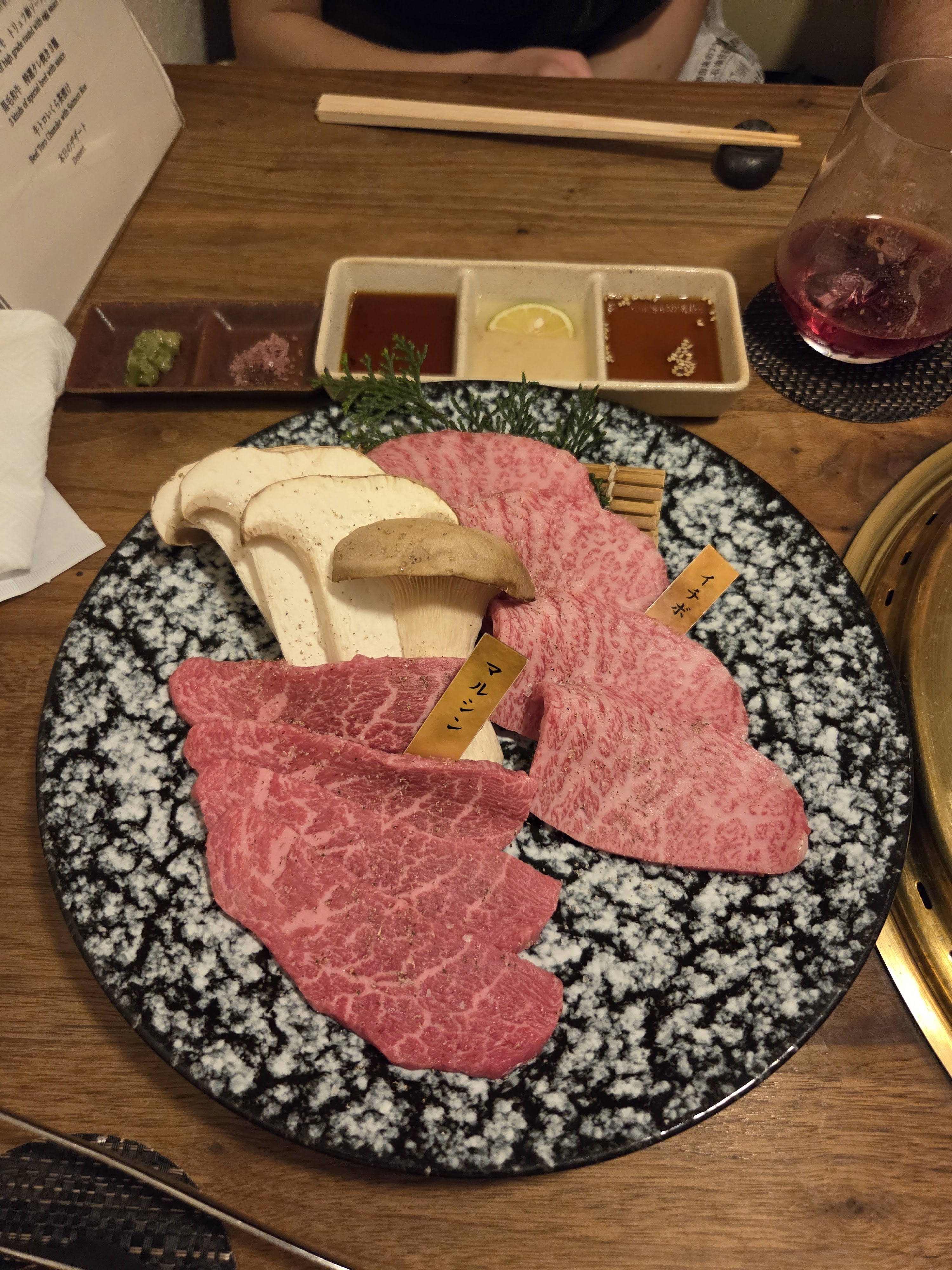
Wagyu is delicious, but tourist areas put it on everything, even in cases where it can barely be appreciated. Deep frying expensive beef feels like putting premium gasoline into a lawn mower. You can do it, but you’re completely missing the point.
I also tried horse, pork heart, and turtle. I liked all of them and would happily eat them again.
Shrines and Temples
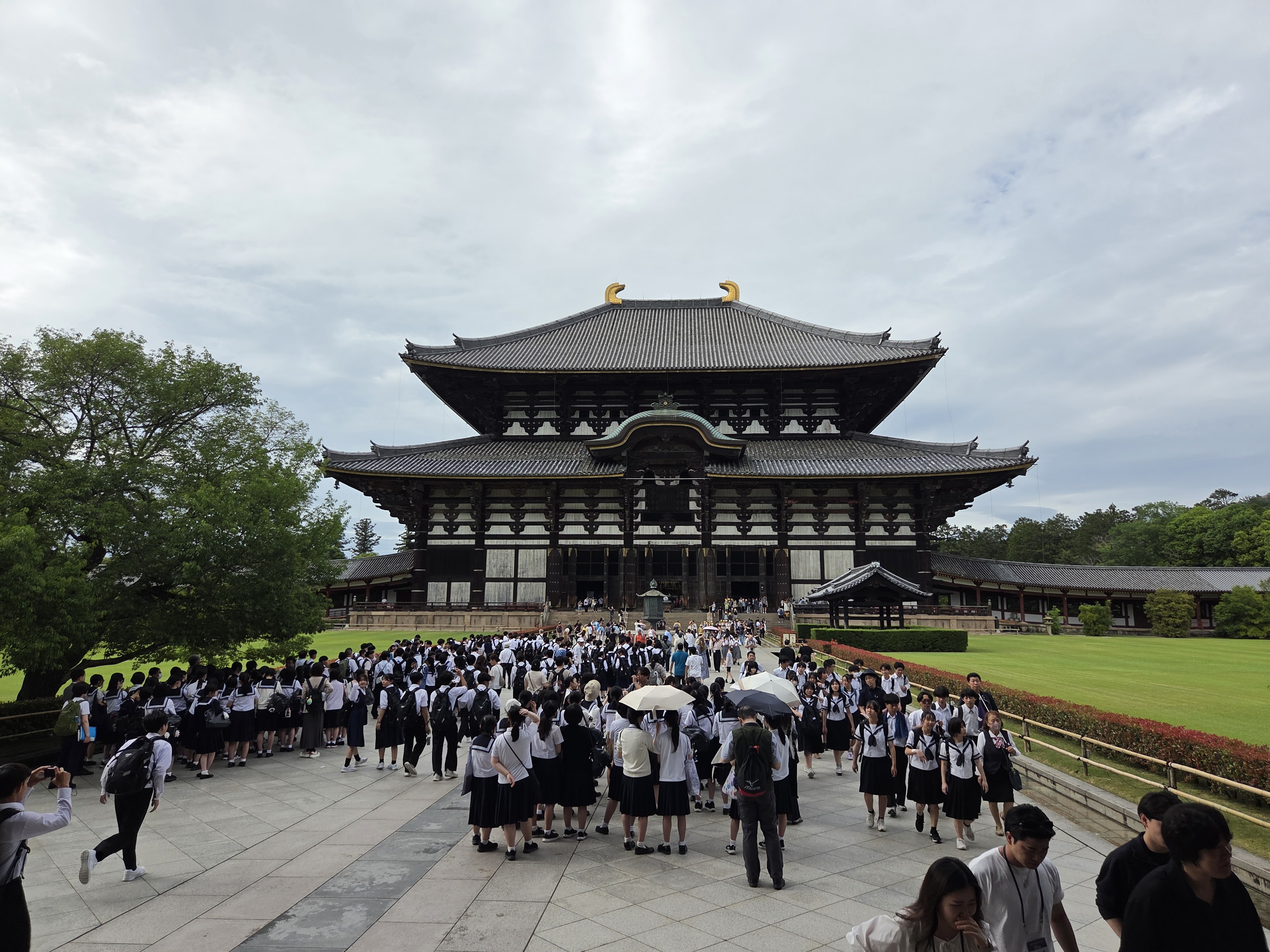
Shrines and temples were everywhere, but they did not feel interchangeable. Shinto shrines and Buddhist temples serve different roles, even though many visitors probably blur them together.
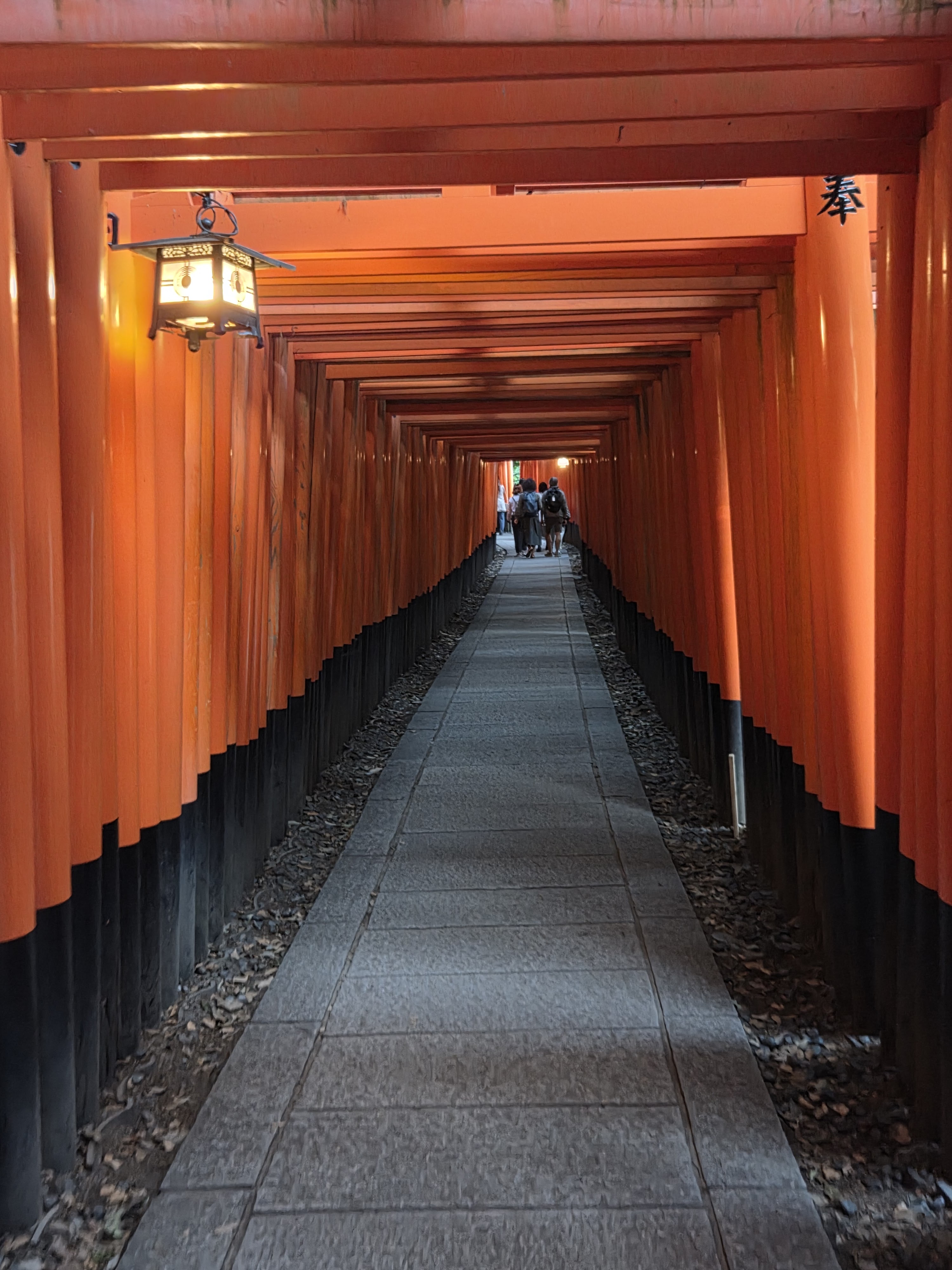
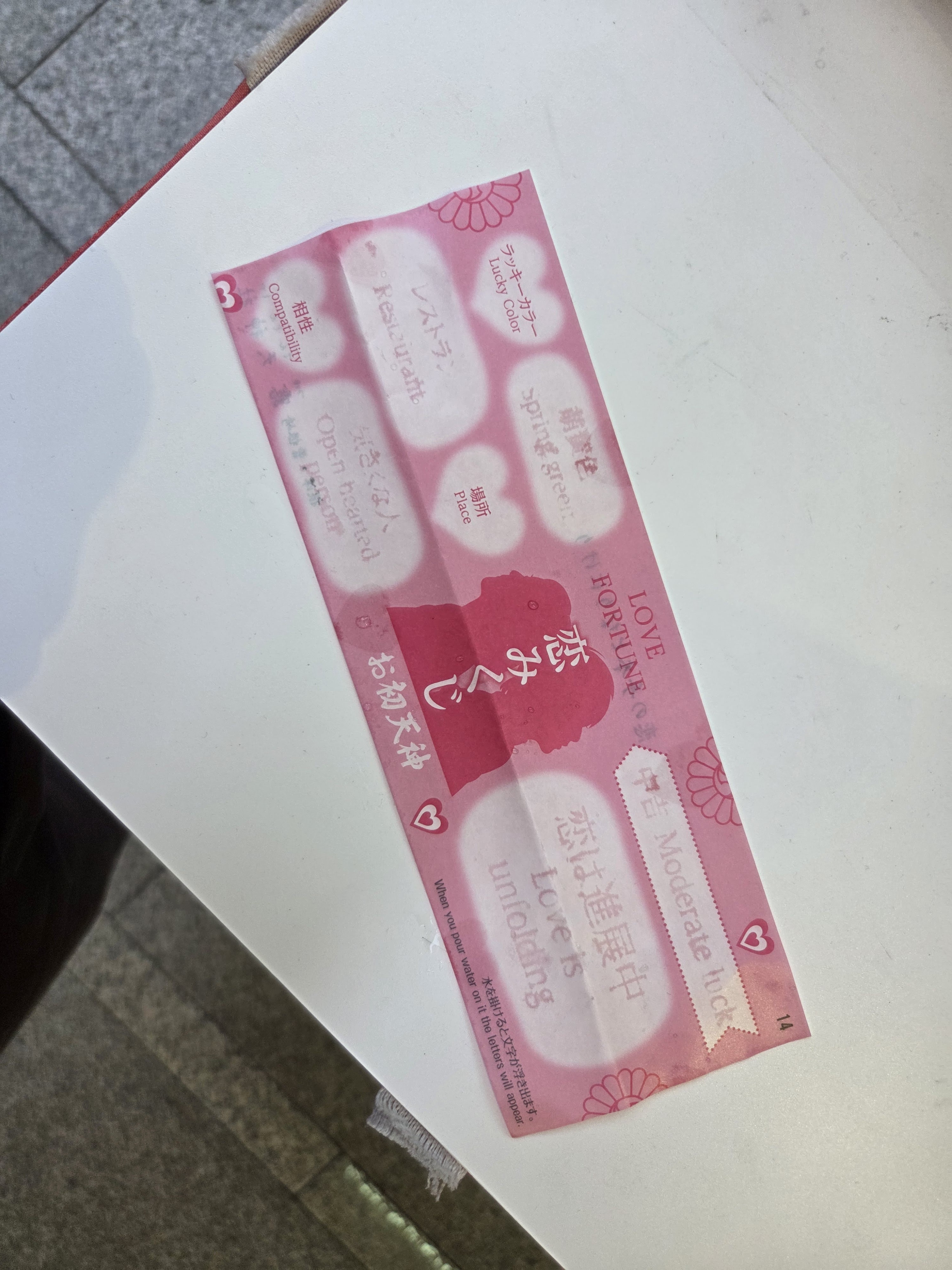
At some shrines, people write wishes on small wooden plaques. At others, they draw fortunes. I received a bad fortune at one point and later tied it to a designated place so I could symbolically walk away from it and, eventually, a monk could burn the bad luck away. I also drew a love fortune, because apparently I enjoy letting random slips of paper bully me.
What struck me most was how ordinary these practices seemed. They were not hidden away as museum pieces. They were part of the texture of daily life: ritual, hope, family, luck, gratitude, anxiety, and tradition all given a physical form.
Entertainment
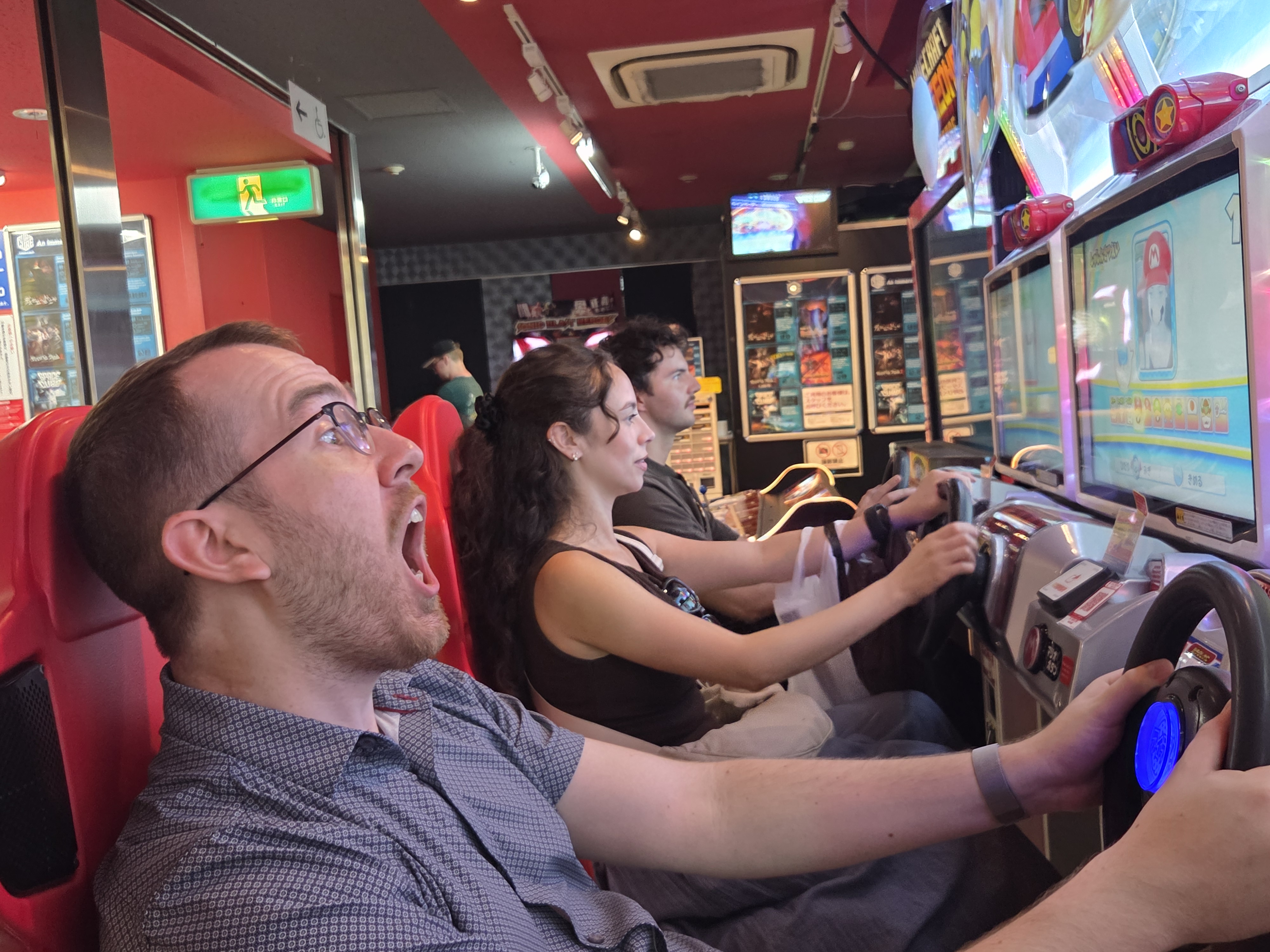
Japan is all about dopamine-maxing.
Pachinko parlors are loud, smoky, bright, and overwhelming. Arcades are still alive in a way they are not in most of America. Gachapon machines are everywhere, and they are engineered to turn small coins into tiny regrets with impressive efficiency.
Nara was its own category. You are supposed to bow to the deer, and many of them will bow back. They are cute until they realize you have crackers, at which point you are negotiating with a small antlered mafia. My friends got bit and harassed while I laughed at them, which I understand is part of the authentic experience.

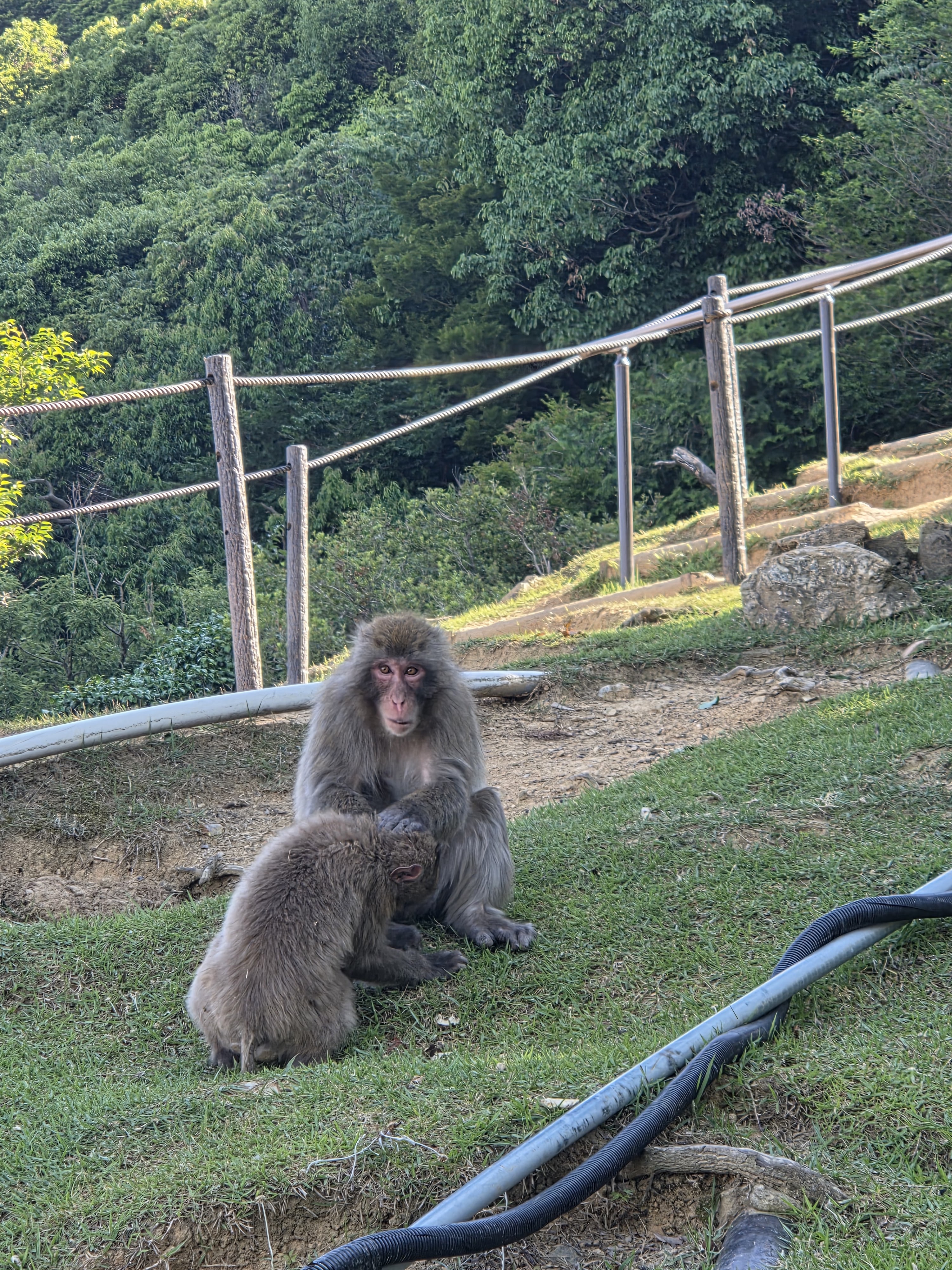
The monkey park was also memorable, partly because monkeys are fascinating and partly because they were picky. Peanuts were apparently beneath them, but apples were accepted with enthusiasm.
Health and Hygiene
Japan continued my campaign against American toilets. I was already a bidet fan, and Dubai further confirmed it, but Japan made the case unavoidable. Bidets should be standard everywhere. This is not up for debate.
Bathing culture was also different. Onsens require you to wash before entering, and the bathing itself is communal. Yes, that means nudity. After the first few minutes, it becomes less awkward because everyone else behaves like an adult.
At one point I sat in a room so hot it felt like I was inside a volcano. My eyes were burning, I could barely breathe, and I think I know what dying feels like now. Then I left, rinsed the sweat off, dipped into an ice-cold bath, and later rested in a warm room with soft music and low lights designed for naps. It felt incredible, and I would do it a million more times.
There were annoyances. Trash cans can be hard to find. Bathrooms can be hard to find unless you are already inside a station, store, or restaurant. Some bathrooms lacked soap, which surprised me. Restaurants often provide moist towelettes but not many napkins, so you may find yourself very clean in one specific way and underserved in another.
I got sick during the trip and had to interact with the pharmacy system. The difference between Eastern and Western medicine was noticeable. I tried to find zinc supplements or something closer to addressing the underlying cause, but mostly found the equivalent of Excedrin: helpful for symptoms, not the root problem.
The pharmacist personally verified that the medicine was for me, that I understood the dosage, that I would not overdose, and that it would not conflict with what I was already taking. It was a level of care that honestly shocked me. In America, we often treat medicine like a self-checkout lane with side effects.
Mask culture in Asia already made sense to me, but getting sick there made me appreciate it again. It is not only about fear. It is also about not inconveniencing others, which may be Japan’s unofficial modus operandi.
Lodging
Pod hotels are efficient, but I did not enjoy them. The pod itself was not bad. The problem is everything around the pod. You cannot use an alarm, you are forced to use a gross, stinky locker room, there is not enough space, and you are constantly in someone’s way.
Ryokans, on the other hand, were wonderful. The rooms, meals, tea, yukata robes, and deeply hospitable staff created a slower rhythm. It felt less like a hotel and more like being temporarily adopted by a building.
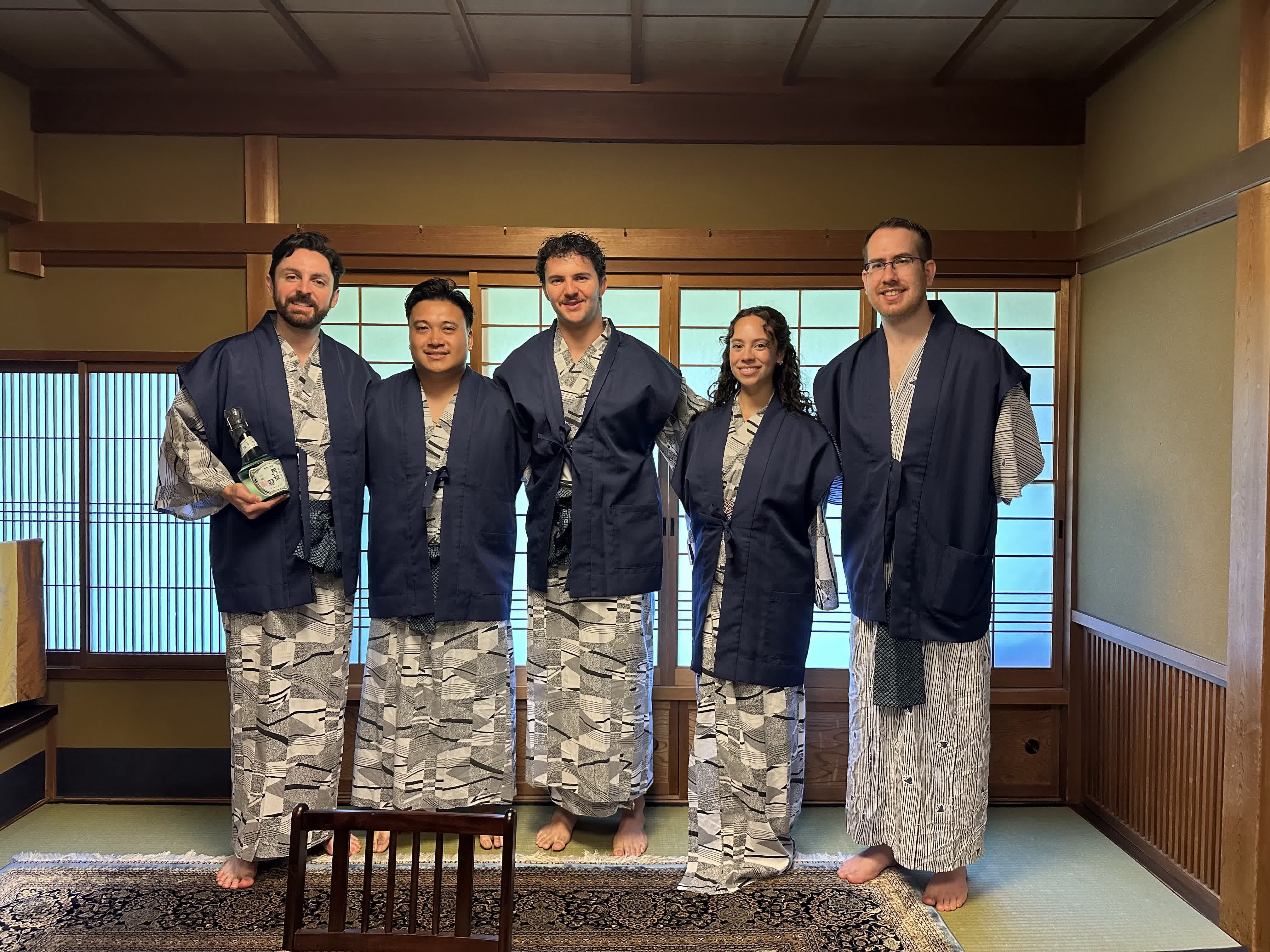
The service again followed the same pattern: quiet competence, careful presentation, and minimal wasted motion. Nobody needed to announce that they cared. The evidence was folded, placed, cleaned, prepared, and waiting.
Politics
I will keep this brief because politics was not the main point of the trip.
The conservative Liberal Democratic Party has dominated much of Japan’s postwar political life. I also heard about Sanseito‘s recent rise, an even more conservative party connected to broader frustration around immigration, cost of living, and national identity. Voter participation seems lower than one might expect for such a cohesive society, though I would need to study this more before saying anything strongly.
My main political impression was not about parties. It was about institutions. Japan feels like a country where the state, private companies, transit systems, schools, shops, and ordinary citizens all operate inside a dense web of expectations. Some of that is beautiful. Some of it is probably suffocating. Both can be true.
The End
I came to Japan expecting novelty. I left thinking about intentionality.
The futuristic parts are fun: trains, vending machines, arcades, toilets, convenience stores, and tiny machines that dispense plastic toys for coins. But Japan did not feel magical because it was futuristic. It felt magical because ordinary things were done with extraordinary intention.
The tea master, the old udon cook, the train staff, the pharmacist, the ryokan hosts, the shopkeepers, the people silently making room for each other in public spaces – each represented a small piece of a larger civilizational posture.
Care expressed through intentionality.
I am sure I misunderstood plenty. I was a foreigner passing through for two weeks, not an expert. But I left with gratitude, admiration, and a strong desire to return after learning more of the language.
Until then, I will be thinking about those ten drops of tea, and about a country built to outlast the rest.